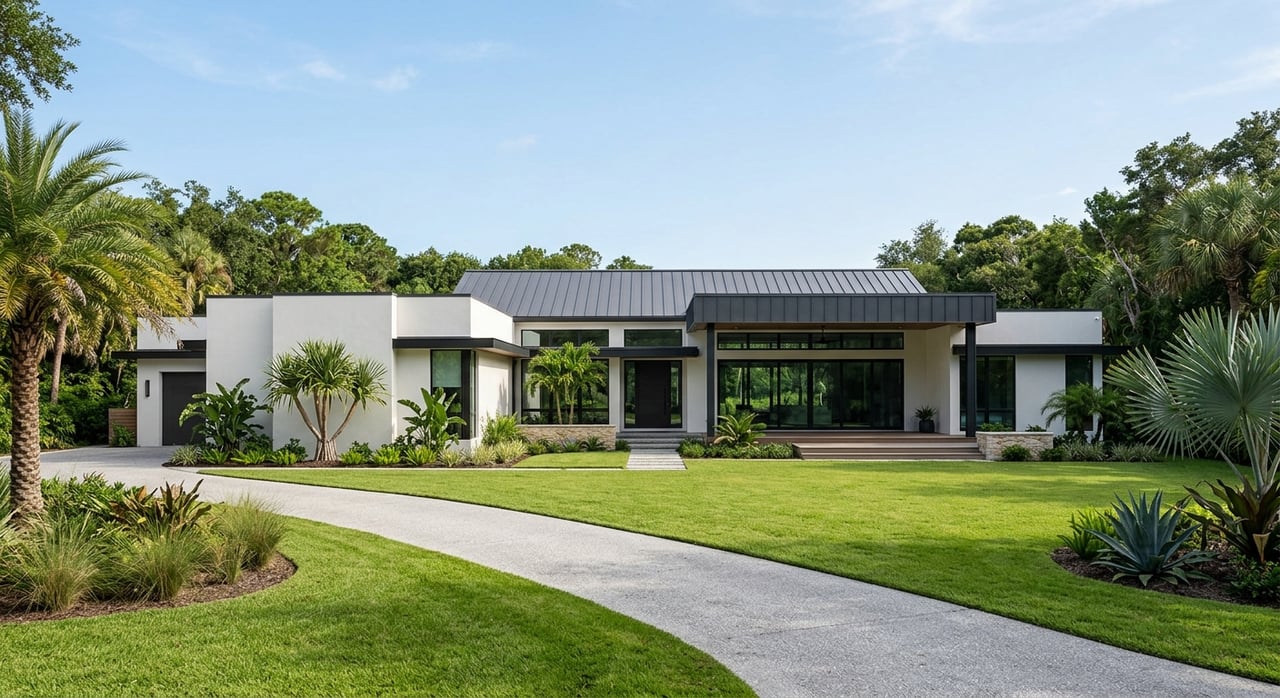
If you are looking at Waianae for oceanfront or large-lot investment, the appeal is easy to see. Entry pricing is far below much of Oʻahu, and that can open doors for buyers who want more land, a coastal location, or a value-add angle. But in Waianae, the real opportunity often comes from disciplined due diligence, not from scenery alone. Let’s dive in.
Why Waianae Draws Investor Attention
Waianae stands out as a value-and-scale submarket rather than a trophy-coastal market. According to Realtor.com’s Waianae market data, the median home sale price was $487.5K as of March 2026, with median rent at $2.4K. On the Greater Waiʻanae market page, the January 2026 median home price was $460K, with 321 homes for sale, a 96% sale-to-list ratio, and 97 median days on market.
That pricing looks very different from the broader Oʻahu market. The Honolulu Board of REALTORS® year-end report shows Oʻahu’s single-family median at $1.1M in December 2025. For buyers considering land-heavy or coastal assets, that gap is a big part of Waianae’s appeal.
It is also important to read these figures as directional. Realtor.com’s Waianae city page and Greater Waiʻanae page use different geographic boundaries, so small differences in price, inventory, and days on market should not be treated as exact apples-to-apples comparisons. What matters more is the broader pattern: Waianae offers relatively lower entry pricing, but properties can still take time to trade.
Oceanfront vs Large Lot
In Waianae, the better question is not simply whether a property has an ocean view or direct frontage. The bigger question is whether the parcel sits inside a shoreline- and hazard-regulated envelope that could affect future use, costs, and timing. That distinction can materially change the investment story.
For some buyers, oceanfront exposure may justify a more complex approval path and higher carrying costs. For others, a larger inland or less exposed parcel may offer more flexibility for long-term planning. In either case, site-specific constraints often matter as much as lot size or house count.
Oceanfront Means Coastal Risk Review
Oceanfront and shoreline-adjacent parcels should be evaluated as coastal-risk assets first. The State of Hawaiʻi directs property owners and buyers to use the Hawaiʻi Sea Level Rise Viewer flowchart, which explains that the SLR-XA maps are a conservative estimate of exposure. If any part of a site falls within the SLR-XA, development could be at risk.
That review should go beyond one map layer. State guidance highlights passive flooding, annual high-wave flooding, and coastal erosion as key exposure types to evaluate. The same climate guidance notes Hawaiʻi can expect about 8 inches of sea-level rise by 2050 and about 3.5 feet by 2100 under an intermediate scenario, which makes long-horizon planning especially important for coastal holdings.
Large Lots Need Utility and Plan Review
Larger lots can create strategic optionality, but that optionality has to be verified. Honolulu recognizes Waianae within the Waianae Sustainable Communities Plan Area, which means buyers should review area planning context and infrastructure assumptions before treating a parcel as redevelopment-ready.
In practical terms, that means checking access, drainage, utilities, wastewater, and any future subdivision or expansion concept on a parcel-by-parcel basis. A large lot may look straightforward at first glance, but its economics can shift quickly if physical or regulatory constraints are more involved than expected.
Due Diligence That Can Change Returns
Waianae investments can be compelling, but this is not usually a market for quick assumptions. Several diligence items can materially affect timing, capex, financing, and exit strategy.
Shoreline and SMA Review
If you are considering a shoreline parcel, start with shoreline certification. The DLNR Land Division is where shoreline certification requests are made, and this is a foundational step for understanding how the state identifies the shoreline for regulatory purposes.
You should also account for Special Management Area review early. The Office of Planning and Sustainable Development guidance, referenced through state shoreline materials, makes clear that the SMA permit is the first permit required for development within the SMA. In Honolulu, shoreline setback authority sits at the county level, so what looks simple in photos may involve multiple layers of review before a building permit is even in play.
Flood and Tsunami Exposure
Flood exposure should always be confirmed through the FEMA Flood Map Service Center, which is FEMA’s official public source for flood-hazard information. FEMA also notes that standard homeowners insurance typically does not cover flood damage, which is a critical underwriting point for any coastal or low-lying property.
Tsunami exposure deserves separate attention. HIEMA tsunami guidance notes that evacuation zones should be treated as the minimum safe evacuation distance, and if you feel shaking near the coast, you should move inland immediately because locally generated tsunamis are not fully captured by maps. For investors, this reinforces the need to evaluate not just purchase price, but resilience, insurance, and long-term hold strategy.
Wastewater Can Be a Deal-Maker
For large-lot, older, or value-add properties, wastewater review is essential. The Hawaiʻi Department of Health wastewater guidance states that every cesspool must be upgraded or connected to a sewer system by January 1, 2050. It also states that a buyer of a noncompliant property becomes responsible for bringing the system into compliance.
This gets even more important if you are planning changes. Adding bedrooms, bathrooms, kitchens, or similar modifications can trigger an earlier upgrade requirement. If your investment thesis depends on expansion, an additional dwelling component, or a repositioning plan, wastewater should be underwritten early, not later.
Rental Assumptions Need to Be Conservative
Many buyers see coastal property and immediately think about short-term rental income. In Honolulu, that assumption can be risky. The City and County of Honolulu’s short-term-rental rules summarized in the city budget document state that unpermitted short-term rentals are prohibited in residential zoning districts, that the city stopped issuing new permits long ago, and that only about 770 permitted units remain islandwide.
The same city document notes registration, occupancy, and off-street-parking requirements. For most Waianae acquisitions, the more prudent default assumption is long-term tenancy unless the property has a clearly documented legal exception.
What the Current Market Suggests
Current market conditions may offer some negotiating room, but patience still matters. The Greater Waiʻanae data showing a 96% sale-to-list ratio and 97 median days on market points to a buyer-leaning environment in which pricing may be more flexible than in tighter Oʻahu submarkets. That can help offset diligence costs, but it does not eliminate asset-level risk.
This is especially true in a small-sample coastal market. A property with permit complications, access challenges, shoreline questions, or wastewater issues may linger much longer than a clean, financeable asset. Lower entry pricing can create room for land, capex, and entitlement costs, but exit liquidity still needs to be part of the analysis.
The Honolulu Board of REALTORS® report also notes that mortgage rates, insurance costs, and broader economic conditions influenced 2025 market behavior. For Waianae, that is a useful reminder that carrying costs should be modeled carefully, especially for oceanfront or redevelopment-oriented holdings.
A Smarter Way to Frame Opportunity
The strongest way to think about Waianae is optionality, not status. Compared with Oʻahu’s much higher median single-family pricing, Waianae can present opportunities for buyers who are prepared to work through entitlement review, hazard analysis, and infrastructure questions with discipline.
That does not mean every oceanfront or large-lot parcel is a fit. It means the upside is often created by buying well, confirming legal use, understanding physical risk, and matching the property to a realistic hold period and operating plan.
A practical screening checklist can help:
- Confirm legal use and current zoning assumptions
- Check shoreline certification needs
- Review SMA implications for development
- Verify flood, tsunami, and sea-level-rise exposure
- Evaluate cesspool, septic, or sewer status
- Underwrite insurance and maintenance conservatively
- Assume long-term rental use unless a legal exception is documented
- Assess likely resale liquidity before closing
In a market like Waianae, that level of care is not excessive. It is how experienced buyers protect downside and recognize where the real value may be.
If you are weighing coastal exposure against land flexibility in Waianae, a parcel-level strategy matters more than a broad headline. Working with a senior advisor who understands complex land, luxury, and investment property positioning can help you move with more clarity. To discuss a Waianae acquisition or evaluate a specific property, connect with Akimi Mallin.
FAQs
What makes Waianae different from other Oʻahu investment areas?
- Waianae generally offers lower entry pricing than the broader Oʻahu market, which can create opportunities for buyers seeking oceanfront access or larger parcels, but each property still needs careful review for permitting, hazards, and infrastructure.
What should you check before buying oceanfront property in Waianae?
- You should review shoreline certification, SMA requirements, flood exposure, tsunami evacuation context, and sea-level-rise risk, because coastal constraints can affect development potential, insurance, and long-term value.
What should you verify before buying a large-lot parcel in Waianae?
- You should confirm access, drainage, utilities, wastewater status, and consistency with the Waianae planning framework, since lot size alone does not guarantee redevelopment flexibility.
Can you use a Waianae property as a short-term rental investment?
- You should not assume that use is allowed, because unpermitted short-term rentals are prohibited in residential zoning districts in Honolulu and legal exceptions must be clearly documented.
Can adding bedrooms or other improvements trigger wastewater work in Waianae?
- Yes, Hawaiʻi DOH states that adding bedrooms, bathrooms, kitchens, or similar modifications can trigger earlier wastewater upgrade requirements, which makes cesspool or septic review an important part of due diligence.
Is Waianae a buyer’s market right now?
- Current Realtor.com data suggests buyer-leaning conditions, including a 96% sale-to-list ratio and 97 median days on market in Greater Waiʻanae, but negotiation power still depends heavily on the specific property and its constraints.