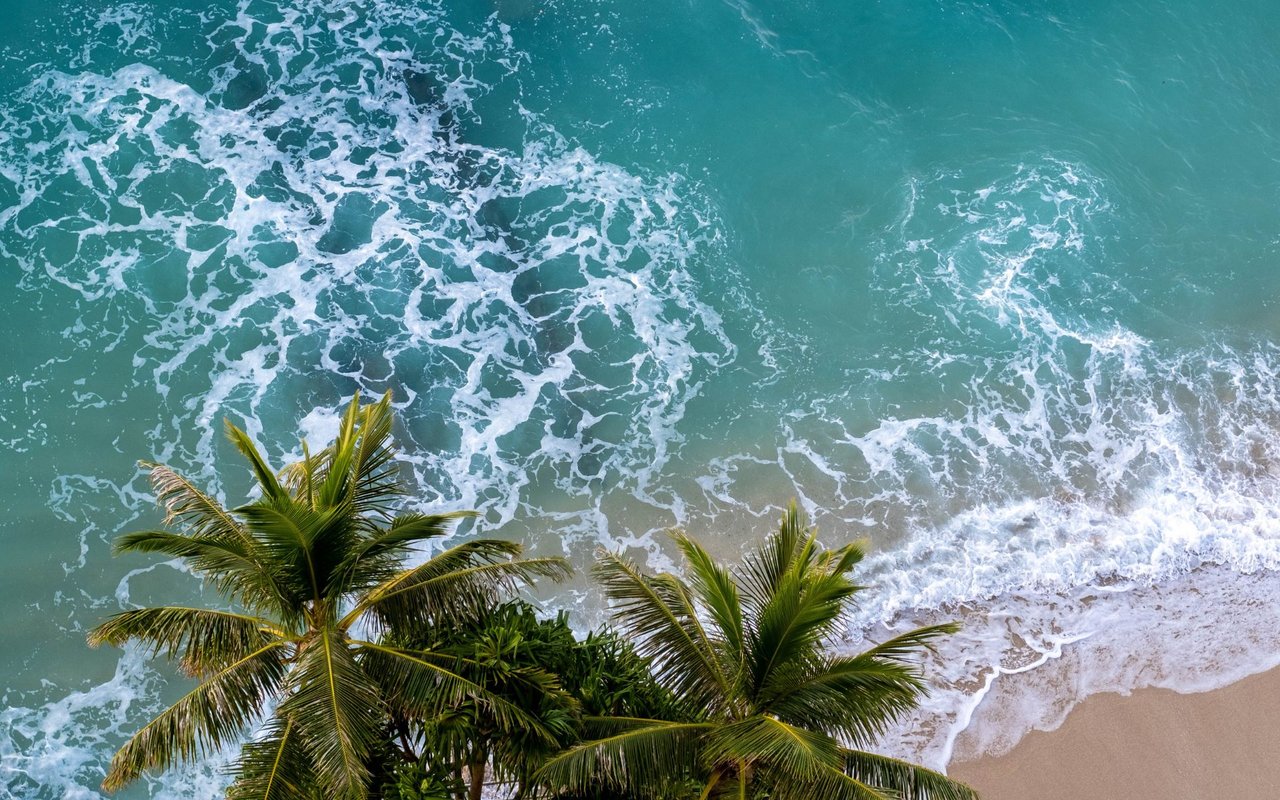
Looking for a Honolulu area that lets you keep the ocean, green space, and daily convenience all within reach? Around Diamond Head and East Honolulu, everyday life feels both scenic and grounded. You get a setting shaped by coastline, parkland, and established residential areas, plus practical places for errands, dining, and weekend routines. If you are trying to picture what day-to-day living really feels like here, this guide will walk you through it. Let’s dive in.
Diamond Head and East Honolulu at a Glance
Life around Diamond Head starts with one of Oʻahu’s most recognizable landmarks. Diamond Head State Monument identifies Lēʻahi as a volcanic tuff cone formed about 300,000 years ago, and the site remains both a natural and cultural landmark with interpretive signage, educational programs, cultural workshops, and an annual Lēʻahi Festival.
That geography shapes daily life in a real way. You are never far from ocean views, open sky, and outdoor activity, but the area also has a settled feel that many buyers look for. In East Honolulu, a recent city transportation report describes the area as focused on modest development to maintain rural character, while Census QuickFacts show 50,922 residents in 2020 and an 84.5% owner-occupied housing rate.
A More Residential Feel
One of the most common questions about this part of Honolulu is whether it feels visitor-oriented or residential. The answer is a mix of both. Near Diamond Head and Kapiʻolani Park, you are close to some of Honolulu’s best-known public spaces, while East Honolulu tends to read as lower-intensity and more home-centered.
That balance is part of the appeal. You can enjoy access to well-known destinations without feeling like your entire routine revolves around a resort district. For many buyers, that makes the area easier to imagine as a long-term home base rather than just a place to visit.
Outdoor Living Is Part of the Routine
Kapiʻolani Park anchors the area
Kapiʻolani Regional Park is one of the clearest examples of how public space shapes everyday living here. The City describes it as a 200-acre park, one of Oʻahu’s largest and second oldest public parks, with room for picnics, sports, marathons, parades, and cultural events.
It also includes the Honolulu Zoo and the Waikīkī Shell, which adds another layer to daily life nearby. Instead of needing to plan a major outing, you have access to broad lawns, walking paths, and event spaces as part of the normal rhythm of the week. A 2023 improvement project also added a timed shower, walkway, and drinking fountain at Kaimana Beach in the park.
Beaches offer different experiences
Beach access in this part of Honolulu is not one-size-fits-all. According to Hawaiʻi State Parks information on Diamond Head Beach Park, the beach is known as one of Oʻahu’s quieter shoreline spots, with breaking swells, a local surfing community, and, when conditions allow, opportunities for surfing and snorkeling.
If you head farther east, your options broaden. Kaiwi State Scenic Shoreline includes Sandy Beach Park, which the state describes as having a powerful shore break. In Kahala, shoreline access is available through Kahala Beach Park and six pedestrian rights-of-way along Kahala Avenue.
Hanauma Bay adds a destination outing
For a more structured ocean experience, Hanauma Bay Nature Preserve offers a protected marine life conservation area to the east. The City manages access through a reservation system designed to balance recreation, education, and preservation.
That matters if you value variety in your routine. You are not limited to one beach or one kind of shoreline experience. Instead, the east side gives you a mix of easy access, scenic variety, and protected natural spaces.
Errands and Dining Stay Convenient
Waialae Avenue supports daily needs
A neighborhood can be beautiful, but it also has to work on a practical level. Around Diamond Head and Kahala, Waialae Avenue helps connect the scenic side of the area with day-to-day convenience. Honolulu’s Primary Urban Center Development Plan describes a main street corridor extending east along Waialae Avenue to Kahala Mall and identifies Waialae Avenue as one of the district’s commercial streets.
For you, that means errands and casual outings do not have to feel disconnected from where you live. Whether you are stopping for groceries, picking up a few essentials, or meeting friends for a casual meal, there is a defined corridor that supports everyday routines.
Kahala Mall serves as a retail anchor
Kahala Mall is one of the area’s clearest anchors for shopping and casual dining. Its official site notes that the center has nearly 100 merchants, along with Whole Foods, restaurants, a movie theater, and free parking.
That kind of convenience matters in real life. It gives you a reliable place for regular errands, low-key dining, and quick stops without having to build your week around more crowded commercial areas. For many households, that adds ease and predictability to daily living.
The KCC farmers market adds local rhythm
If you enjoy building a weekly routine around fresh food, the Kapiʻolani Community College farmers market is another local advantage. Located at 4303 Diamond Head Road, the market features locally grown fruits and vegetables, flowers, local honey, coffee, baked goods, seafood, and prepared foods.
This is one of the details that helps the area feel lived-in rather than purely destination-driven. A farmers market can become part of your regular week, whether you are shopping for produce, grabbing coffee, or picking up something prepared for an easy meal at home.
Culture and Public Life Stay Close
Another strength of the Diamond Head area is how much public life is concentrated in a relatively compact footprint. Kapiʻolani Regional Park includes both the Honolulu Zoo and the Waikīkī Shell, and the City notes that the park regularly hosts cultural events alongside recreational uses.
Diamond Head State Monument also adds cultural depth beyond its scenic value. Through its interpretive signage, educational programs, cultural workshops, and demonstrations tied to Hawaiian traditions, the site supports a stronger sense of place. For you as a resident, that can make the area feel more layered and connected than a simple beach district.
What Everyday Living Really Feels Like
When you put it all together, everyday living around Diamond Head and East Honolulu is defined by balance. You have access to iconic open spaces, varied beaches, and a recognizable coastline, but you also have established residential areas, practical retail corridors, and steady neighborhood routines.
That combination is not easy to find. Some coastal areas offer scenery without convenience, while others offer convenience without much sense of place. Here, the appeal comes from having both.
For buyers considering the area, a few lifestyle themes stand out:
- Outdoor access is built in, with parks, shoreline paths, and beach options nearby.
- Daily errands are straightforward, thanks to Waialae Avenue, Kahala Mall, and regular market options.
- The setting feels established, especially across East Honolulu’s more residential areas.
- Public spaces do real work, serving not just visitors but also everyday recreation and community life.
- There is variety within a compact area, from parkland and beaches to shopping and cultural venues.
Why This Matters for Buyers
If you are thinking about buying in Diamond Head, Kahala, or the broader East Honolulu area, lifestyle fit matters just as much as the home itself. The right property should support how you want to spend your week, not just how you want your home to look.
That is especially true in high-value coastal markets, where location details can shape your experience every day. Proximity to parks, shoreline access, errands, and quieter residential areas may all influence which part of this market feels right for you.
Working with a local advisor who understands these micro-differences can help you make a more confident decision. If you are exploring Diamond Head, Kahala, or East Honolulu and want thoughtful guidance tailored to your goals, connect with Akimi Mallin.
FAQs
What is everyday life like around Diamond Head in Honolulu?
- Everyday life around Diamond Head blends scenic outdoor access with practical convenience, including nearby parks, beaches, cultural venues, shopping, and weekly market routines.
Does East Honolulu feel more residential than Waikīkī?
- Yes. According to a recent city transportation report, East Honolulu emphasizes modest development to maintain rural character, giving many parts of the area a more residential and lower-intensity feel.
Are there beaches near Diamond Head for regular use?
- Yes. Diamond Head Beach Park, Kaimana Beach, Kahala shoreline access points, and Hanauma Bay all provide different types of ocean access depending on your routine and preferences.
Where do people shop and run errands near Diamond Head and Kahala?
- Waialae Avenue and Kahala Mall are the main retail anchors, with Kahala Mall offering nearly 100 merchants, grocery options, dining, a theater, and free parking.
Is there a farmers market near Diamond Head?
- Yes. The Kapiʻolani Community College farmers market on Diamond Head Road offers locally grown produce, flowers, honey, coffee, seafood, baked goods, and prepared foods.
What makes Diamond Head and East Honolulu appealing to homebuyers?
- Many buyers are drawn to the area’s mix of coastline, open space, established residential character, and day-to-day convenience, all within a well-known part of Honolulu.