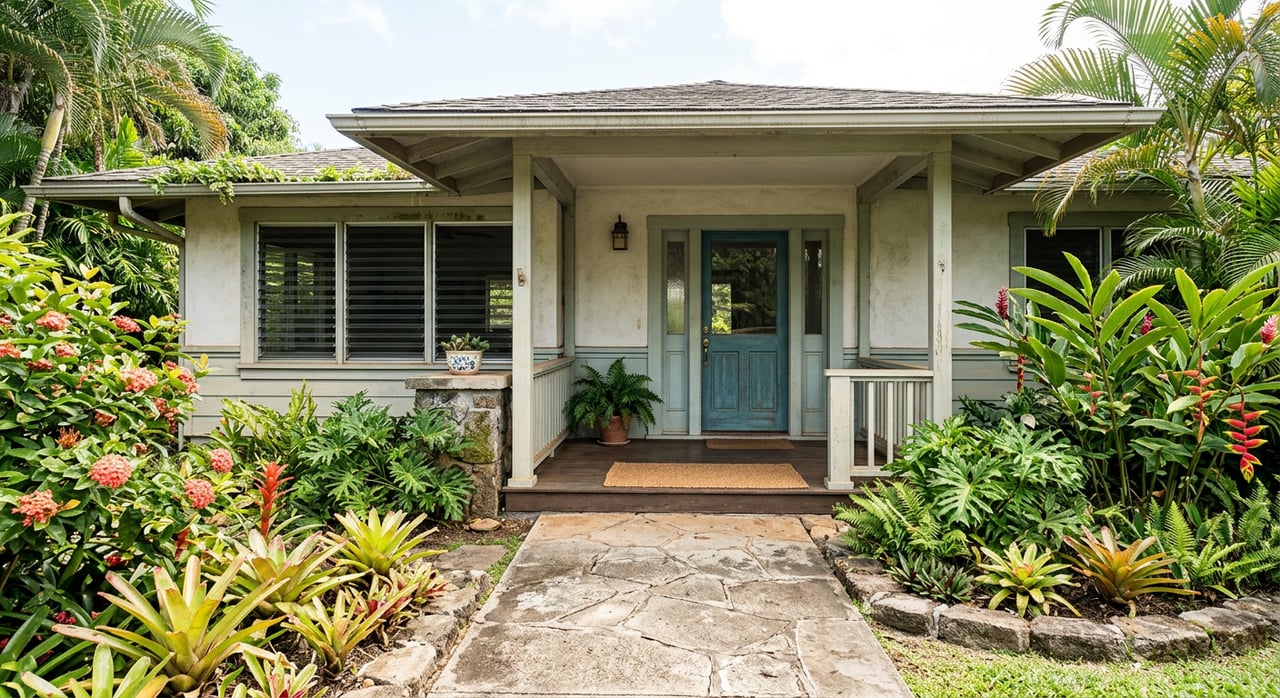
Are you preparing to steward a long‑owned Mānoa home into its next chapter? Many families and trustees face the same mix of pride, paperwork, and practical fixes when getting a legacy property ready for market. In this guide, you’ll find a clear 6–18 month plan, the legal musts unique to Hawaiʻi, inspection and repair priorities for older homes, and staging ideas that showcase the Mānoa lifestyle. Let’s dive in.
Why Mānoa homes stand out
Mānoa’s green valley setting, indoor‑outdoor living, and close proximity to UH Mānoa and central Honolulu make it a perennial favorite for buyers. You’ll see interest from local families, university professionals, and those who prefer a single‑family neighborhood over high‑rise living. Low inventory often benefits well‑prepared sellers, but older homes can bring added scrutiny on disclosures, permits, and systems. A thoughtful plan helps you keep momentum and protect value.
Start with the non‑negotiables
Hawaii seller disclosures
Hawaiʻi requires a written Seller’s Disclosure Statement for most residential sales. Review Chapter 508D of the Hawaiʻi Revised Statutes so you understand timing and delivery rules, and start collecting repair invoices, permit history, insurance claims, and any known structural or environmental details early. You can read the statute text and requirements in HRS Chapter 508D.
Lead‑based paint for pre‑1978 homes
If your home was built before 1978, federal law requires that you provide the EPA/HUD lead pamphlet, disclose known lead information, and allow buyers time to test unless they waive it. Most legacy Mānoa homes fall in this era, so plan for it in your pre‑listing checklist. See the federal guidance on the lead‑based paint disclosure rule.
Cesspools and wastewater rules
State law requires conversion of cesspools by 2050, and certain renovations or failures can trigger earlier upgrades. Confirm whether your property is on sewer or a cesspool and be ready to disclose status. The Hawaiʻi Department of Health explains timelines, requirements, and grant programs in its wastewater and cesspool FAQ. For planning, check the property’s relative priority using the Cesspool Prioritization Tool, and review state law at HRS §342D‑72.
Permits and DPP timing
Unpermitted additions and slow permit timelines can derail a listing. If you plan to do any work, start early and confirm permit needs with the City and County of Honolulu Department of Planning and Permitting. Recent coverage notes changes to processing and backlogs, so permit timing should be part of your plan. Read more about the department’s updates in this news report on DPP processing changes.
Historic property considerations
If your home is listed on, or potentially eligible for, the State or National Register of Historic Places, certain alterations may need review and approval. Some historic tax credits apply only to income‑producing properties, not owner‑occupied single‑family homes. Confirm status and process with the State Historic Preservation Division using the SHPD resources.
Conveyance tax and closing filings
Hawaiʻi’s conveyance tax must be declared and paid before a deed will record. Escrow typically prepares and files Form P‑64A and collects the tax at closing, but you should be aware of the requirement and confirm details early. Access the Bureau of Conveyances forms and instructions on the DLNR BOC forms page.
Probate and trust sales
If you are selling as a trustee or through probate, your timeline and process can change. Trustees should gather trust documents and confirm signature authority with title and escrow. Probate sales can involve court notices, potential overbidding, and added disclosures. You can review an overview of the process in Hawaiʻi from this probate sale explainer. Consult legal counsel early so you can align your sale plan with court or trust requirements.
Know your home’s condition
A strategic set of pre‑listing inspections reduces surprises and supports confident negotiations. Consider this order:
- Full home inspection. A pre‑listing inspection helps you spot structural, roof, electrical, and plumbing issues. Many companies offer seller packages. Learn what is typically covered from this overview of inspection services.
- Termite (WDI) inspection. Lenders often require documentation that active infestation is addressed and structural damage is repaired.
- Roof, attic, and drainage review. With Mānoa’s rainfall, water intrusion and wood rot are common issues you should address early.
- Wastewater evaluation. Confirm sewer versus cesspool and, if a cesspool exists, consider a preliminary estimate for conversion. Share the property’s prioritization map from the Cesspool Prioritization Tool with buyers.
- Electrical and plumbing assessments. Older panels, knob‑and‑tube wiring, or galvanized pipes can raise safety and lending concerns.
- Site and slope conditions. Properties near Mānoa Stream or on steeper terrain may benefit from a drainage or retaining‑wall evaluation. For context on local flood and slope awareness, see the state’s hazard awareness module.
Prioritize repairs that protect value
Focus first on issues that affect safety, financing, and marketability:
Safety issues. Address electrical hazards, active termite infestation, structural rot, and trip hazards. These are high‑impact fixes that protect both you and the buyer.
Water intrusion. Repair roof leaks, flashings, gutters, and downspouts. Correct grading and drainage away from the foundation and maintain retaining walls.
Lender‑conditioned items. Termite treatment and damage repair, wastewater system issues, and major system deficiencies often come up in underwriting.
Permits and legal cleanup. If you plan to legalize an addition or complete a permitted project before sale, start now due to potential DPP delays. If not, prepare thorough disclosures so buyers can price the work appropriately.
For discretionary projects, apply two simple rules:
- Low‑cost, high‑impact. Clean and brighten surfaces, fix visible stains, pressure‑wash lanais and walkways, repair broken screens or jalousies, and refresh landscaping edges.
- High‑cost, variable ROI. Roof replacement, full repipes, and major retaining‑wall work can pay off in certain price bands. Get bids and discuss likely return with your agent before committing.
Stage the Mānoa lifestyle
Preserve original details
Many Mānoa homes feature hardwood floors, wood trim, and mid‑century or plantation‑era touches. Showcase these elements with gentle refinishing or neutral paint that complements the architecture. In photos, frame rooms to reveal built‑ins, ceiling lines, and doorways to the garden.
Gardens, privacy, and breezes
Buyers value usable outdoor rooms and leafy privacy. Prune overhanging branches, correct root issues near hardscape, and define seating or dining zones on the lanai. Keep sliders and doors clear to highlight cross‑ventilation and the everyday rhythm of indoor‑outdoor living.
Photography and presentation
Aim for bright, clean, and accurate images that show circulation and the relationship to the view. Capture the yard and landscape as lifestyle assets, not afterthoughts. A local stager who understands island living can help you balance authenticity with a fresh, welcoming look.
Your 6–18 month timeline
Every seller’s path is unique, but this framework helps you move from discovery to launch with fewer surprises.
0–6 months: planning and discovery
- Align with family or trustees on goals, timing, and whether to sell as‑is or invest in select repairs.
- Gather documents: deed, survey, trust papers, permit history, maintenance invoices, insurance loss history, cesspool or sewer records, and property tax notices.
- Order a pre‑listing home inspection and termite report so you understand material issues before you list.
3–9 months: permits, repairs, and prep
- Start safety and water‑intrusion repairs first. If you will pursue permitted work or plan changes to character‑defining features, begin early and coordinate with SHPD if the home may be historic. For permit timing context, see recent DPP processing updates.
- If a cesspool is present, seek preliminary engineering or contractor estimates and check DOH grant eligibility using the DOH cesspool FAQ. Having clear information ready builds buyer confidence.
- Start staging plans and light cosmetic refreshes that deliver clear visual impact.
6–10 weeks before listing: polish and marketing
- Deep clean, finish landscaping, and stage key spaces, including lanais and primary living areas.
- Schedule professional photography and, if appropriate, a 3D or video tour that captures indoor‑outdoor flow and garden privacy.
- Work with your senior agent on a pricing strategy based on a current MLS‑backed CMA. In Mānoa, neighborhood medians move, so rely on fresh, like‑kind comparables rather than general web estimates.
Contract to close: compliance and delivery
- Deliver the Seller’s Disclosure Statement in line with HRS Chapter 508D to start the buyer’s statutory review window.
- Confirm conveyance tax filings and Form P‑64A with escrow using the Bureau of Conveyances forms.
- Keep communication tight with your agent, escrow, and contractors to stay on schedule for appraisal, buyer inspections, and any agreed repairs.
Pricing and market prep
Well‑prepared legacy properties stand out. Pair your completed inspections and repair receipts with polished presentation to support your pricing story. Ask your agent for a detailed CMA that adjusts for lot position, architecture, and condition so you set expectations with confidence. If your home has unique features or potential historic significance, factor marketing reach and buyer education into your launch plan.
The bottom line
Selling a legacy Mānoa home is part project management and part storytelling. When you handle the legal and systems work early, then elevate the garden and indoor‑outdoor lifestyle, you make it easy for buyers to say yes. If you want senior‑level guidance, a data‑driven pricing plan, and polished marketing that honors your property, connect with Akimi Mallin to map your next steps.
FAQs
What disclosures are required to sell an older Mānoa home in Hawaiʻi?
- Hawaiʻi law requires a written Seller’s Disclosure Statement under HRS Chapter 508D, plus federal lead‑based paint disclosures for most pre‑1978 homes.
How do I know if my property has a cesspool and what does that mean for selling?
- Check your records and confirm status; review the DOH’s cesspool FAQ and map your address with the Cesspool Prioritization Tool to plan timelines, costs, and disclosures.
Should I repair or sell as‑is when listing a legacy Mānoa property?
- Fix safety, water intrusion, and lender‑condition items first; for big‑ticket projects, get bids and consult your agent on likely ROI based on your price band and buyers.
What is different about staging a Mānoa home?
- Highlight indoor‑outdoor flow, the lanai, mature landscaping, and original architectural details; keep rooms bright and uncluttered to showcase cross‑breezes and garden privacy.
When should a trustee or executor involve a REALTOR® for a Mānoa sale?
- Engage a senior agent early in planning, especially if trust, probate, permits, or historic elements are involved, so pricing, timelines, and disclosures align from the start.